
We are living in an era of banner blindness. The average consumer sees thousands of ads a day, from the billboards on their morning commute to the sponsored posts clogging their social media feeds. Our brains have evolved a defense mechanism: we simply tune it out. We look right through the noise.
For a marketer or a business owner, this is a crisis. How do you get someone’s attention when they have trained themselves to ignore you? The answer lies in our biology. We might ignore what we see, but we cannot ignore what we touch.
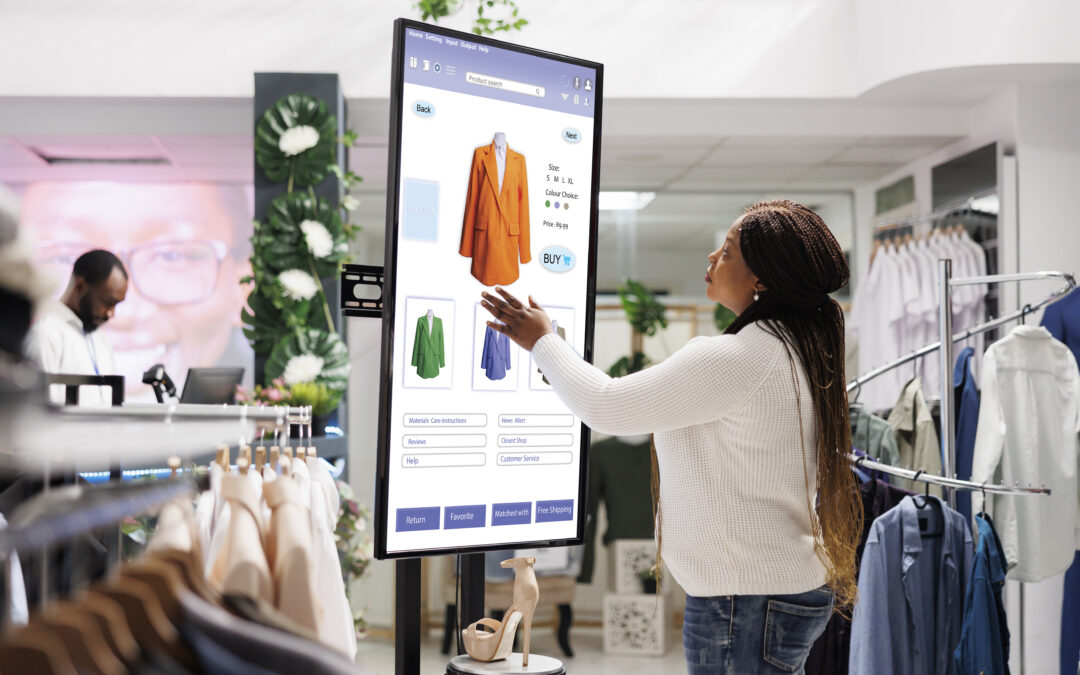
Interaction is the antidote to apathy. When a customer physically engages with a display, the dynamic changes instantly. They stop being a passive observer and become an active participant. This is where the strategic deployment of commercial-grade touchscreen products moves beyond simple utility and enters the realm of high-impact marketing.
You shouldn’t just think of these screens as tools for processing payments or checking inventory. Think of them as your best, most consistent salespeople. They are the silent agents on your floor, ready to upsell, educate, and capture leads 24/7 without ever taking a coffee break.
If you have been viewing your hardware as a cost rather than a revenue generator, it is time to flip the script. Here are five creative ways to use touch technology to market your brand from the inside out.
1. The Kiosk Psychology
If you run a quick-service restaurant or a retail shop, you know the struggle of the upsell. You train your staff to ask, “Do you want to make that a combo?” or “Would you like to add the protection plan?”
But human staff get tired. They get busy. Or, quite often, they feel awkward pushing for more money, so they skip the question. A touchscreen has no social anxiety.
- The Strategy: Use self-service kiosks as your primary marketing engine for add-ons.
- Why it Works: Data consistently shows that average check sizes increase significantly when customers order via a screen. Why? Because the screen presents every customization option visually. It creates a judgment-free zone. A customer might feel embarrassed ordering a double portion of fries in front of a human cashier, but they will happily tap that button on a kiosk.
By programming your interface to highlight high-margin add-ons or “pairs well with” suggestions, you are marketing to the customer at the exact moment their wallet is open. It creates a customized shopping experience that feels helpful rather than pushy.
2. Saving the Sale
There is nothing more damaging to your brand than a customer walking in, falling in love with a product, and then leaving empty-handed because you didn’t have their size or color in stock. That customer is likely gone forever, probably heading straight to Amazon.
Your physical footprint is limited, but your digital inventory is not.
- The Strategy: Install touchscreens on your sales floor.
- Why it Works: This turns a stockout into a sale. If a customer can’t find the red sneaker in a size 10, they can walk to the screen, find it in your warehouse, and have it shipped directly to their home.
From a marketing perspective, this positions your brand as a solution provider. It tells the customer, “We have everything you need, even if it isn’t on the shelf right now.” It bridges the gap between the instant gratification of physical retail and the vast selection of e-commerce.
3. Gamification at Trade Shows
If you have ever worked a booth at a trade show, you know the pain of trying to get people to stop walking. You are standing there with a stack of brochures, smiling until your face hurts, while attendees do everything they can to avoid eye contact.
You need a pattern interrupt.
- The Strategy: Put a large-format touchscreen at the edge of your booth running a simple, tactile game or a “Spin to Win” wheel.
- Why it Works: People are naturally drawn to play. It taps into our curiosity. Once they step up to play the game, they have broken the ice.
The marketing genius here is the gate. To spin the wheel or save their high score, they have to enter their email address. You are trading a micro-moment of entertainment for a valuable lead. Instead of collecting a bowl full of business cards from people who just wanted a free pen, you are building a database of engaged prospects who actually interacted with your brand.
4. The Deep Dive Demo
For B2B companies selling complex products—medical devices, software, or industrial machinery—a brochure just doesn’t cut it. You can’t explain the intricacies of a jet engine part with a static photo.
- The Strategy: Use touchscreens as interactive learning stations.
- Why it Works: Allow the prospect to manipulate a 3D model of your product. Let them zoom in, rotate it, and tap on components to see specs.
This creates a sense of ownership. When a prospect controls the demo, they explore the features that matter to them. They spend more time engaging with your content because they are driving the experience. It positions your company as a high-tech, transparent leader in the field. It creates a wow factor that a PowerPoint presentation simply cannot match.
5. Interactive Wayfinding as Sponsored Content
If you manage a large venue—a mall, a hospital, a campus, or a hotel—your directory maps are the most-viewed surfaces in the building. Everyone gets lost, and everyone looks for the map.
- The Strategy: Turn your wayfinding kiosks into an advertising network.
- Why it Works: Don’t just show a map; show a destination. If a user taps “Coffee,” don’t just show them the route; show them a high-res image of the latte from the coffee shop on the 3rd floor with a 10% off QR code.
You can sell this featured status to your tenants or use it to promote your own amenities. It transforms a utilitarian object (a map) into a revenue-generating marketing channel. Because the user is actively looking for information, the ad feels like helpful guidance rather than an interruption.
Marketing is no longer just about shouting your message at people; it is about inviting them to touch, explore, and interact. By integrating touchscreen technology into your physical spaces, you create a bridge between the digital and physical worlds. You stop being a brand that people walk past, and you start being a brand that people want to get their hands on.