
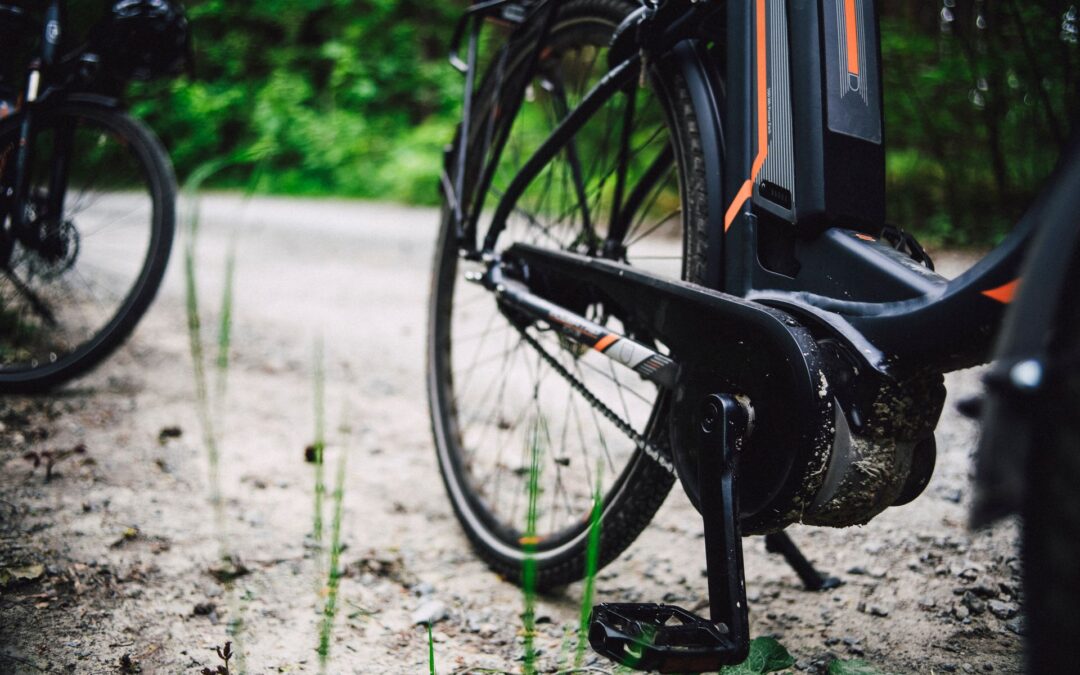
The adjuster is holding a phone camera up to the seat tube, looking for a small white rectangle: Class 1, Class 2, or Class 3. The number on that sticker is about to decide whether the rider is treated as a cyclist, a moped operator, or something the policy doesn’t cover at all. It’s usually the first thing photographed at the scene, and often the last thing the rider thought about when they bought the bike.
That little label carries more weight than most people realize. It sets the speed the bike is legally allowed to assist to, the roads it’s allowed on, and, after a crash, who ends up writing the check.
The decisions that determine which side of the line a rider lands on happen long before the collision, and most of them are made without a lawyer in the room.
Buy a Class 1, a Class 2, or a Class 3
The class you pick at checkout is the class printed on the sticker, and it’s the class the insurer will treat you as riding. The three-tier system is the framework most jurisdictions have adopted from the federal rule for low-speed electric bicycles, and the differences between classes aren’t cosmetic.
Class 1. Pedal-assist only, motor cuts out around 20 mph. Treated most like a conventional bicycle, allowed on the widest range of paths, and the easiest class to defend as “just a bike” after a crash.
Class 2. Adds a throttle up to roughly 20 mph. Still bicycle-adjacent in most places, but the throttle changes how some path networks and property owners treat it.
Class 3. Pedal-assist up to about 28 mph, often with a speedometer required and a minimum rider age. Faster, heavier consequences in a collision, and frequently barred from multi-use paths.
The decision reaches beyond the ride. A homeowners or umbrella policy that quietly covers a Class 1 as a bicycle may exclude a Class 3 as a motor vehicle. A law firm that handles bicycle and e-bike injury cases will tell you the class question shows up in the coverage fight before it shows up in the courtroom. Reading the policy before the purchase is cheaper than reading it after.
Leave the Bike Stock or Unlock It
Every popular e-bike has a forum thread explaining how to raise the speed limiter, and some manufacturers even ship a “race mode” tucked behind a menu. The moment a rider changes what the bike can do, the sticker on the frame stops matching the machine underneath it. That mismatch is the first thing a defense expert looks for.
Manufacturers must permanently mark each e-bike with its class, top assisted speed, and wattage. The label has to be replaced whenever a modification changes those numbers.
Skip the replacement and the bike is, on paper, misrepresenting itself. Insurers use that. Prosecutors sometimes use it too. A rider who unlocked a 20 mph bike to hit 28 and struck a pedestrian is no longer arguing about a bicycle case.
If you’re going to modify, update the label and tell your insurer. If you can’t stomach either step, leave the firmware alone.
Ride the Bike Path or Take the Road
Where you ride is a legal decision as much as a route decision. Many multi-use paths allow Class 1 and Class 2 but ban Class 3. Some sidewalks ban all three. Ride a Class 3 on a path posted for bicycles only and, in a collision with a walker, the sticker becomes the evidence that you weren’t supposed to be there.
Check the posted signage and the local ordinance before you commit to a route, and don’t assume the rules from one town carry over to the next. Rules vary by jurisdiction, sometimes by park district within the same city. The fault analysis after a crash often starts with whether the rider was legally allowed on the surface at the speed they were traveling. The sticker answers half that question before anyone asks it.
Tell the Insurer Now or Explain It Later
The riskiest coverage moment is the one where a rider assumes their existing policies cover the new bike without asking. Auto policies generally don’t. Homeowners policies sometimes do, sometimes don’t, and sometimes cover Class 1 while excluding Class 3. Standalone e-bike policies exist, but the class on the sticker drives the premium and the exclusions.
Make the call before you need it. Ask the carrier, in writing, which class of e-bike is covered, whether liability extends to injuries you cause to a pedestrian, and whether medical payments apply if you’re hit by a car.
Get the answer in an email, not a phone call. If the carrier says no, shop a policy that says yes.