
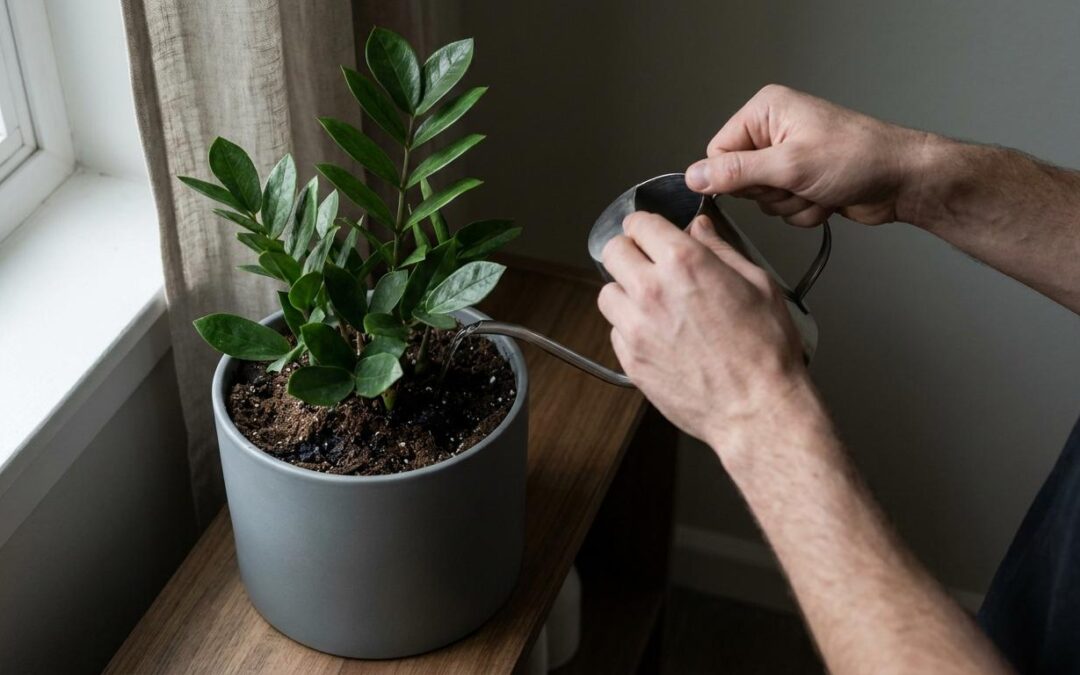
Agreeing to look after a neighbor’s garden while they travel sounds like a simple favor. Then the first hot afternoon arrives, a container looks wilted, and nobody is quite sure how much water is enough. A garden left in someone else’s hands needs more thought than it first appears, and the best results come from a clear plan, a few good notes and a willingness to ask questions before anything goes wrong.
This article is for adults who have agreed to care for a neighbor’s plants, lawn or outdoor space during a trip. It covers the preparation before departure, watering habits, watching for pests and weather damage, and keeping the owner informed. The advice is general, so adapt it to the plants involved, the climate where you live and the instructions the owner has already given you.
Before the Trip Begins
Start with a walk through the garden together, if possible, before the owner leaves. Ask which plants matter most, which ones tolerate dry spells and which need daily attention. Take photos of each bed, pot and planter so you can recognize the layout later. Many owners forget to mention a small detail, such as a plant that only thrives in shade or a container that drains slowly, so this conversation pays off.
Next, check the watering setup. If the garden uses an automatic system, learn how the timer works, where the manual override sits and how to test a single zone. If watering is done by hand, locate the hose, the watering can and any spray attachments, and make sure they work. Ask the owner whether a neighbor or a timer has already been set for the first week, so the two of you do not water twice by mistake. Readers may also want to visit Santorini-Resort’s articles.
Finally, agree on the practical details. Settle who has a key to the gate, where any tools are stored and what to do if a branch falls or a fence leans. Write these answers on a single sheet and leave a copy with the owner. Clear answers before departure save a great deal of guesswork later.
Watering Without Overdoing It
Overwatering causes as many problems as neglect, so resist the urge to soak everything every day. Check the soil with a finger before reaching for the hose. If the top layer feels dry, water deeply and slowly so the moisture reaches the roots. You can also visit worldaroundu.com for more reading.
Water early in the day when possible, since less moisture evaporates and leaves have time to dry before evening. Avoid splashing foliage in strong sun, and keep an eye on containers that dry out faster than the beds. Note the date and the amount you gave each area in a simple log, so the owner can see exactly what was done.
Lawns need different care. Many lawns recover well from short dry spells, so a long, deep soak once or twice a week usually beats a light sprinkle every day. If the grass turns a blue gray color or footprints remain visible, the lawn is probably thirsty. If the ground squelches underfoot, cut back and let the soil breathe.
Watching for Pests and Storms
A quick daily look around the garden can catch problems early. Printable inspection sheets from this practical website make the routine easy to repeat. Check the undersides of leaves for clusters of insects, sticky residue or small webs. Look at stems for holes, chewed edges and unusual spots. Pests often spread quickly in warm weather, so a few minutes of inspection each day can prevent a small patch from becoming a major loss.
If you find a problem, take a clear photo and describe what you see before choosing a response. Some pests are best removed by hand, while others need a targeted product. Read every label carefully, follow the instructions exactly and never spray on a windy day. If you are not sure what you are looking at, ask a local garden center or the owner before acting.
Storms need attention too. After heavy wind or rain, walk the garden to check for fallen branches, loose stakes and pots that have tipped over. Secure anything that could blow away, and note damage in your log. Many owners appreciate a short message with photos, since it lets them decide whether to return early or wait for the insurer.
Keeping in Touch With the Owner
Regular updates reassure the owner that the garden is in good hands. Send a short message every few days with the weather, the work completed and any concerns. Keep the message brief and factual. Mention what looks healthy as well as what needs attention, since a balanced report feels more trustworthy than a list of problems alone. Simple message templates for travel updates can save time.
Respect the owner’s privacy. Do not share photos of the home interior or details about their travel plans with anyone outside the arrangement. Keep spare keys in a safe place, and return them promptly when the trip ends.
Handing the Garden Back
When the owner returns, walk the garden together and go through your log. Point out what needed extra care, what recovered well and any repairs that still need doing. Thank them for the trust. A calm, well documented handover often leads to a long and friendly arrangement for the next trip.