
Planning an event is a massive undertaking. Whether you are organizing a three-day music festival, a corporate leadership summit, or a neighborhood charity run, the logistics alone are enough to make your head spin. Because organizers are so focused on securing permits, managing schedules, and booking caterers, the apparel often gets thrown together at the absolute last minute. They slap a logo on a generic white t-shirt, throw it onto a basic web page, and wonder why nobody is pulling out their credit card.
If you want your attendees to actually spend money and become walking billboards for your brand, your online merch store cannot look like a rushed afterthought. It needs to feel like an exclusive, highly curated extension of the event itself. When you elevate the digital shopping experience, you elevate the perceived value of the gear. Here is how to market your digital storefront so that attendees are rushing to buy their apparel before they even arrive at the venue.
Ignore the Blank Digital Mockups
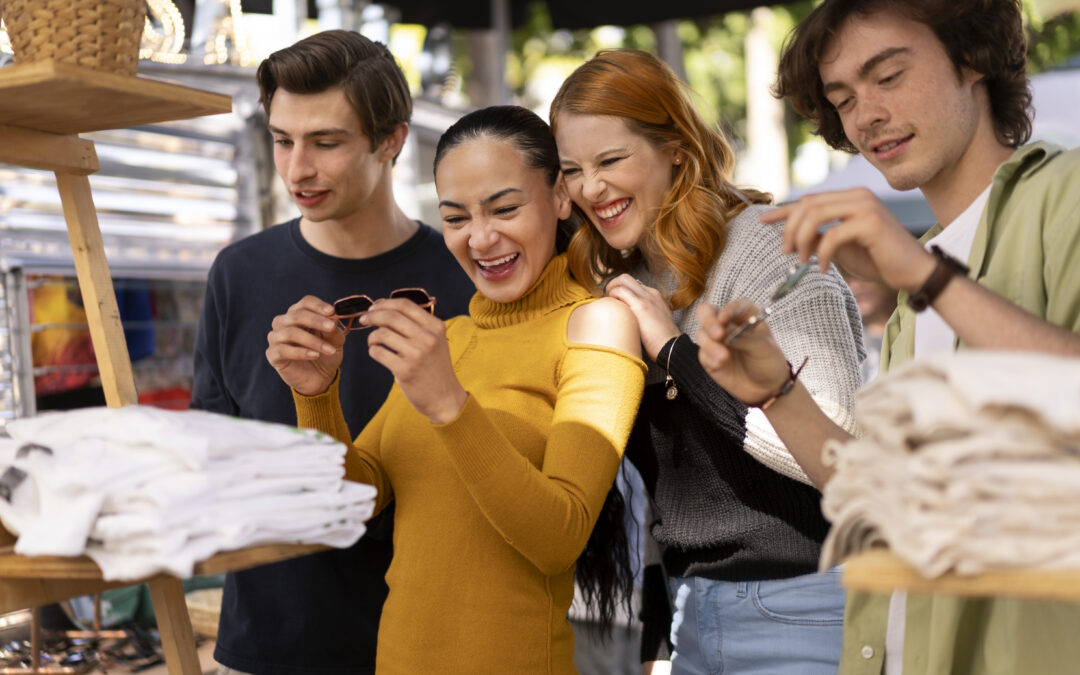
Nothing kills the perceived value of a piece of clothing faster than a flat, floating digital mockup. When buyers look at a poorly rendered logo digitally pasted onto a stock image of a hoodie, the product instantly feels cheap and mass-produced. To make your storefront immediately appealing, you have to invest in real lifestyle photography.
Get your event staff, past attendees, or local models to wear the physical samples out in the real world. If you are hosting an outdoor music festival, photograph the shirts being worn in the sun with a lively crowd in the background. If you are organizing a corporate retreat, show the embroidered quarter-zips being worn by professionals in a sleek coffee shop. When people see exactly how the apparel naturally drapes and fits on a real human being, they stop viewing it as a basic souvenir and start viewing it as a legitimate wardrobe upgrade.
Engineer Strict Aesthetic Continuity
Your digital storefront should never feel like a jarring detour. If your main event website features dark, moody colors and edgy typography, but your merchandise page is a stark white template with generic blue buttons, the buyer immediately loses trust. The disconnect makes them feel like they just clicked a spam link or left your ecosystem entirely.
You need to enforce strict aesthetic continuity. Customize your shop environment to perfectly mirror the branding of the event. Use the exact same color hex codes, the same fonts, and the same background textures. The transition from buying a general admission ticket to adding a commemorative sweatshirt to the shopping cart should feel entirely seamless. When the store looks like a premium, integrated part of the main website, buyers are far more comfortable finalizing the transaction.
Leverage the Power of the Pre-Sale
Do not wait until the day of the event to launch your merchandise. By the time the doors open, attendees are completely distracted by the schedule, the crowds, and the food trucks. The absolute smartest marketing move you can make is opening a pre-sale window a month before the event actually happens.
Market this early access as an exclusive opportunity to skip the notoriously long merchandise lines on the day of the show. You can offer a slight early-bird discount or guarantee that pre-sale buyers will definitely secure their preferred size before the popular inventory runs out. This builds massive anticipation. When attendees start receiving their physical gear in the mail a week before the event, they will wear it around town, doing your promotional marketing for you and driving even more traffic to the store.
Curate Bundles and Survival Kits
Scrolling through a massive, endless grid of single items often causes decision fatigue. To make the shopping experience visually appealing and actively boost your average order value, group related items together into highly thematic bundles.
Instead of just selling a water bottle, a hat, and a t-shirt as entirely separate listings, package them together as the Ultimate VIP Survival Kit. Give the bundle a slight price break compared to buying the three items individually. This strategy makes your store look highly curated and intentional, rather than just acting as a digital warehouse of random leftover items. Bundling solves a problem for the buyer by giving them everything they need to enjoy the event in one single click, making the checkout process completely frictionless.
Create Manufactured Scarcity
People always want exactly what they cannot have. If an attendee believes a specific hoodie will be available forever, they will delay the purchase indefinitely. You have to introduce a sense of urgency into your marketing copy to force an immediate decision.
Designate one or two specific items in your shop as highly limited, event-exclusive drops. Clearly state in the product description that only one hundred of these specific jackets were printed, and once they are gone, the design goes into the vault forever. Adding a visual stock counter showing exactly how many items are left triggers a powerful psychological response. It pushes the buyer to secure their size right now rather than putting it off until next week and forgetting entirely.
Market Event Apparel
Selling event apparel should be a massive revenue driver, not a stressful gamble that leaves you with boxes of unsold inventory. By treating your digital shop with the exact same level of care and design as the event itself, you completely change how attendees perceive your products. Swap out the boring digital mockups for real photography, enforce strict brand continuity, and leverage the hype of a limited pre-sale. When your storefront looks like a premium retail experience, your audience will gladly pay a premium price.